Artificial Intelligence (AI) is transforming nearly every aspect of modern business, and digital marketing is no exception. What once required large teams, extensive manual analysis, and countless hours of work can now be accomplished faster and more efficiently through AI-powered tools and automation.
From customer data analysis and personalized marketing campaigns to content creation and predictive analytics, AI is reshaping how businesses attract, engage, and retain customers. Companies that embrace these technologies are gaining significant competitive advantages in increasingly crowded digital markets.
As AI continues to evolve, it is expected to become one of the most influential forces shaping the future of digital marketing worldwide.
What Is Artificial Intelligence in Digital Marketing?
Artificial Intelligence in digital marketing refers to the use of machine learning, data analytics, automation, and intelligent algorithms to improve marketing performance and decision-making.
These technologies enable businesses to process large volumes of data, identify patterns, predict customer behavior, and automate marketing activities with greater accuracy and efficiency.
Rather than replacing marketers, AI serves as a powerful tool that enhances their ability to create effective strategies and deliver better customer experiences.
Why AI Has Become Essential for Modern Marketing
The digital landscape generates enormous amounts of data every day. Consumers interact with websites, social media platforms, mobile apps, emails, and online advertisements across multiple devices and channels.
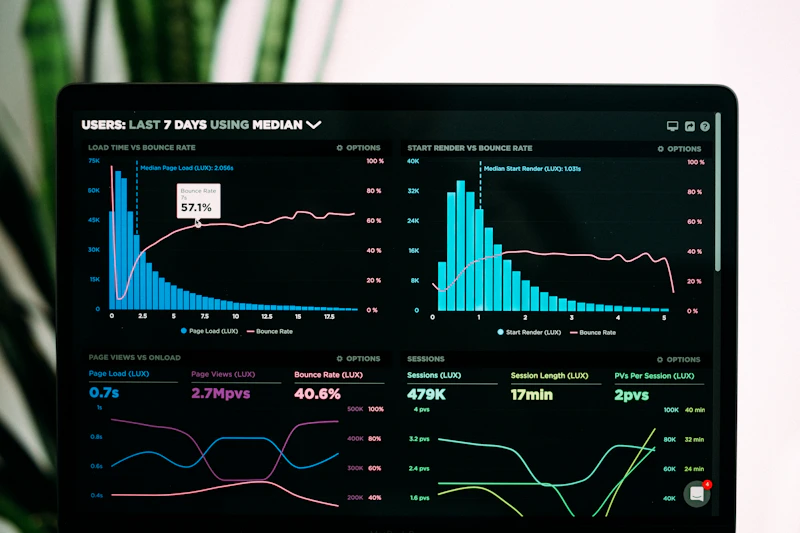
Analyzing and interpreting this information manually has become increasingly difficult. AI helps marketers process complex datasets quickly and uncover valuable insights that would otherwise be difficult to identify.
- Faster data analysis.
- Improved audience targeting.
- Enhanced customer experiences.
- Higher conversion rates.
- Increased operational efficiency.
- Better marketing ROI.
- More accurate decision-making.
AI-Powered Customer Data Analysis
One of the most significant contributions of AI to digital marketing is its ability to analyze customer behavior at scale.
AI systems can examine browsing patterns, purchasing behavior, engagement history, demographics, and customer preferences to generate actionable insights.
These insights help marketers better understand their audiences, improve campaign performance, and identify growth opportunities.
Smarter Audience Targeting
Digital advertising platforms such as Google Ads, Meta Ads, LinkedIn Ads, and TikTok Ads increasingly rely on AI algorithms to improve audience targeting.
By analyzing user behavior and engagement patterns, AI helps advertisers identify individuals who are most likely to convert into customers.
This leads to more efficient advertising campaigns, lower acquisition costs, and improved return on ad spend.
Personalization at Scale
Modern consumers expect personalized experiences. Generic marketing messages are becoming less effective as customers demand content and offers that are relevant to their interests and needs.
AI enables businesses to personalize marketing communications based on individual customer behavior, preferences, and purchase history.
Examples of AI-driven personalization include product recommendations, customized email campaigns, personalized website content, and dynamic advertising experiences.
AI and Content Creation
Artificial Intelligence has dramatically changed how content is produced and distributed.
Today, marketers can use AI-powered tools to generate blog outlines, social media posts, email copy, product descriptions, and marketing ideas within minutes.
While AI can significantly improve productivity, human creativity remains essential for storytelling, brand positioning, emotional connection, and strategic messaging.
The most successful organizations combine AI efficiency with human expertise to produce high-quality content at scale.
AI in Email Marketing
Email marketing remains one of the most effective digital marketing channels, and AI is making it even more powerful.
AI tools can optimize subject lines, determine the best sending times, segment audiences automatically, and personalize content based on user behavior.
These improvements often result in higher open rates, click-through rates, and conversion rates.
AI-Powered Chatbots and Customer Support
AI-powered chatbots have become an important part of customer engagement strategies.
Modern chatbots can answer common questions, provide recommendations, schedule appointments, qualify leads, and assist customers around the clock.
By providing instant responses, businesses can improve customer satisfaction while reducing support costs and operational workload.
Predictive Analytics and Customer Behavior Forecasting
One of the most exciting applications of AI is predictive analytics.
Using historical data, AI can forecast future customer behavior and identify patterns before they become obvious.
For example, businesses can predict:
- Which customers are likely to make a purchase.
- Which leads are most likely to convert.
- Which customers may stop engaging with the brand.
- Which products are likely to experience increased demand.
These insights enable companies to take proactive actions and improve marketing performance.
Artificial Intelligence and SEO
Search Engine Optimization is also being transformed by AI technologies.
AI-powered SEO tools help marketers conduct keyword research, analyze competitors, identify content opportunities, optimize websites, and better understand user intent.
At the same time, search engines themselves increasingly use artificial intelligence to evaluate content quality and relevance.
This means businesses must focus on creating valuable, user-centered content rather than relying on outdated SEO tactics.
Marketing Automation Powered by AI
Marketing automation has become significantly more sophisticated thanks to artificial intelligence.
Businesses can now automate lead nurturing, customer segmentation, email sequences, campaign management, and customer journey workflows with greater precision.
AI allows marketers to deliver personalized experiences at scale while reducing manual effort.
The Benefits of AI in Digital Marketing
- Improved efficiency and productivity.
- Enhanced customer insights.
- Better audience segmentation.
- Increased personalization.
- Higher conversion rates.
- Reduced marketing costs.
- More accurate forecasting.
- Improved campaign performance.
Challenges of AI Adoption
Despite its many benefits, AI implementation also presents challenges that businesses must address.
- Data privacy concerns.
- Dependence on high-quality data.
- Implementation costs.
- Integration complexity.
- Need for human oversight.
- Rapid technological change.
Organizations must balance automation with human expertise to ensure ethical and effective use of AI technologies.
The Future of AI in Digital Marketing
The future of digital marketing will be increasingly shaped by artificial intelligence. As technology continues to advance, marketers will gain access to more powerful tools for personalization, automation, analytics, and customer engagement.
Future AI systems are expected to deliver even deeper customer insights, automate more complex tasks, and create highly individualized marketing experiences.
Businesses that adopt AI early and integrate it strategically into their operations will be better positioned to compete and grow in rapidly evolving digital markets.
How Atomica Helps Businesses Leverage AI
At Atomica, we help businesses integrate artificial intelligence into their digital marketing strategies to improve performance and achieve measurable growth.
Our team leverages AI-powered tools for audience analysis, campaign optimization, content development, marketing automation, and performance measurement.
By combining innovative technology with strategic expertise, we help businesses unlock new opportunities and stay ahead of the competition.
Frequently Asked Questions
Will AI replace digital marketers?
No. AI is designed to enhance marketing capabilities rather than replace marketers. Human creativity, strategic thinking, and emotional intelligence remain essential for successful marketing.
Can small businesses benefit from AI?
Absolutely. Many AI-powered marketing tools are affordable and accessible, allowing small and medium-sized businesses to improve efficiency and compete more effectively.
What are the most common uses of AI in marketing today?
Popular applications include content creation, customer segmentation, predictive analytics, advertising optimization, marketing automation, SEO analysis, and chatbot-based customer support.
Conclusion
Artificial Intelligence is fundamentally transforming the future of digital marketing. By enabling smarter decision-making, deeper customer insights, greater personalization, and increased efficiency, AI is helping businesses achieve better results than ever before.
Companies that embrace AI strategically will be able to build stronger customer relationships, optimize marketing performance, reduce costs, and create sustainable competitive advantages in the years ahead.